
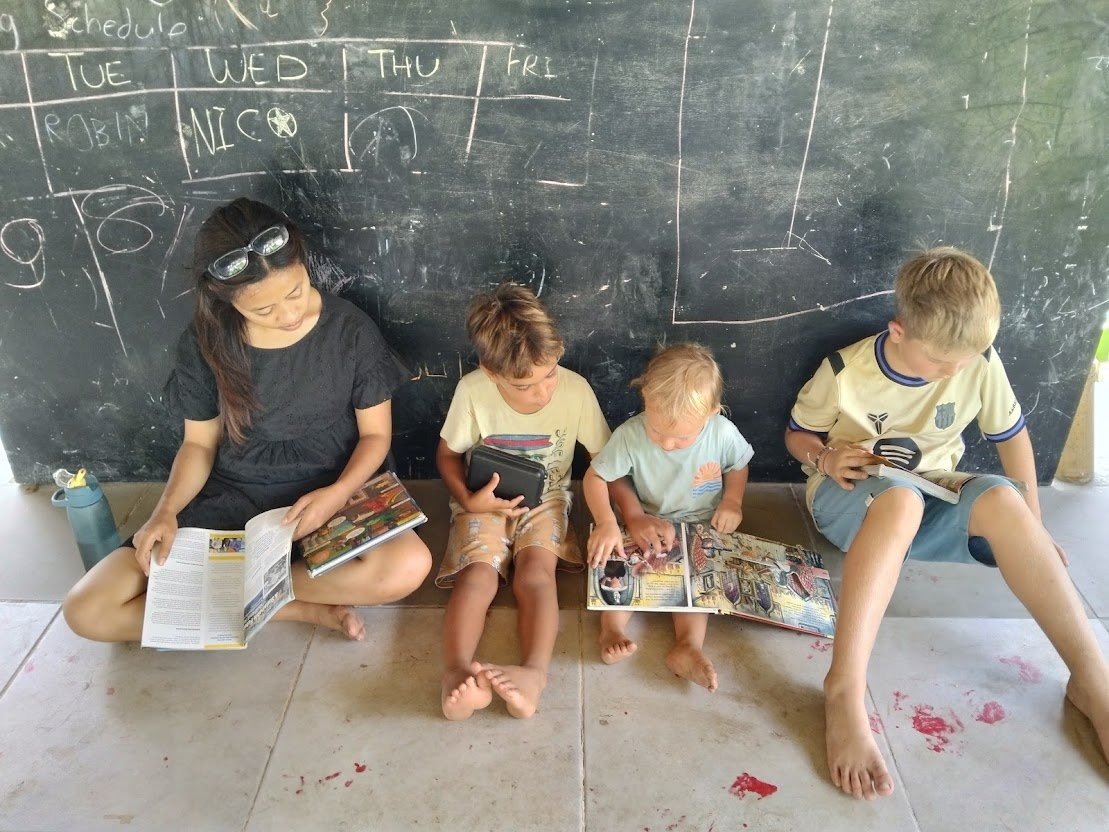
Blossom into wholeness ready for any path
When Open Flow graduates join new schools, teachers notice immediately: whole, grounded children who still love learning.

By Age 12,
Children Are...
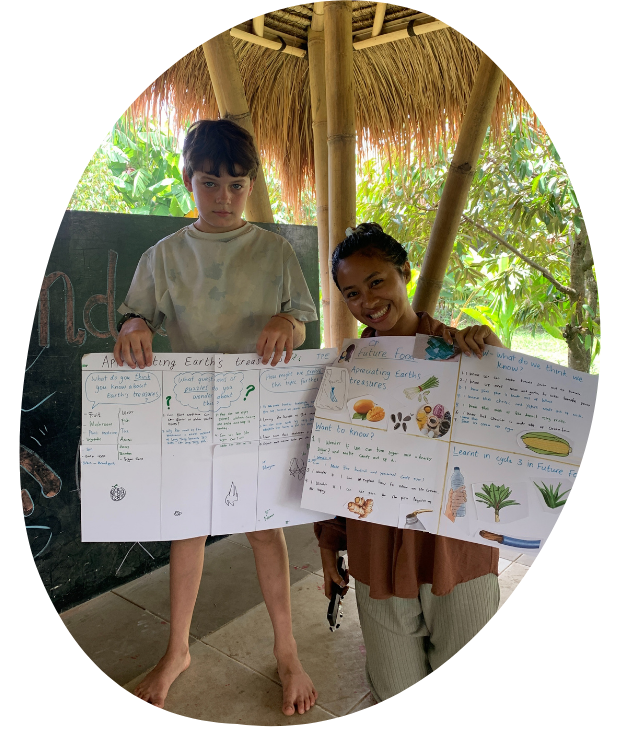
Academically Ready
Emotionally Grounded
Socially Intelligent
Physically Competent
Self- Directed
Still Curious
Flow- Capable
Ready for Any Path
They Adapt & Thrive
What Teachers Notice
When Open Flow graduates join new schools—traditional, progressive, or specialized—teachers notice the same patterns: these children are whole, grounded humans who happen to be students.
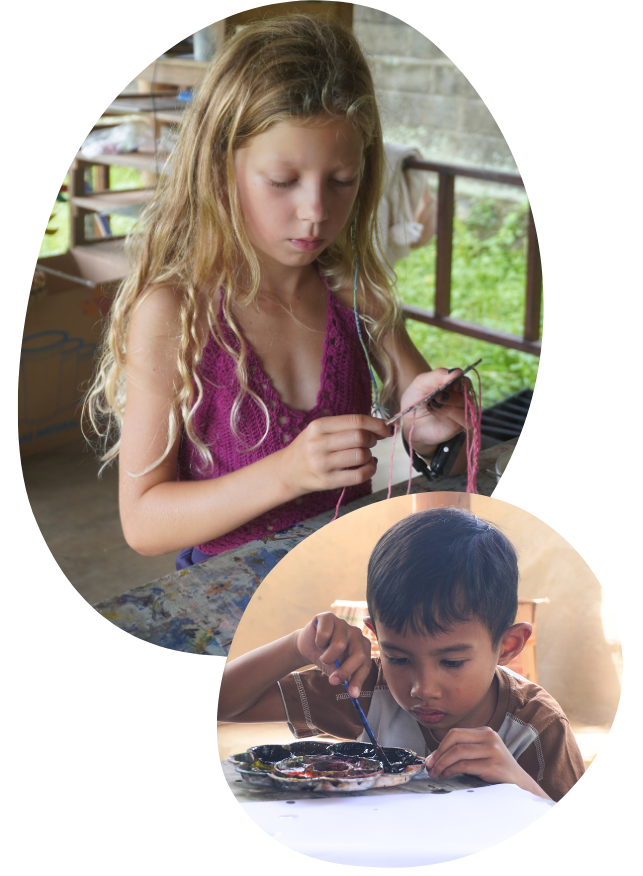
How we track
development
The SPICES Framework
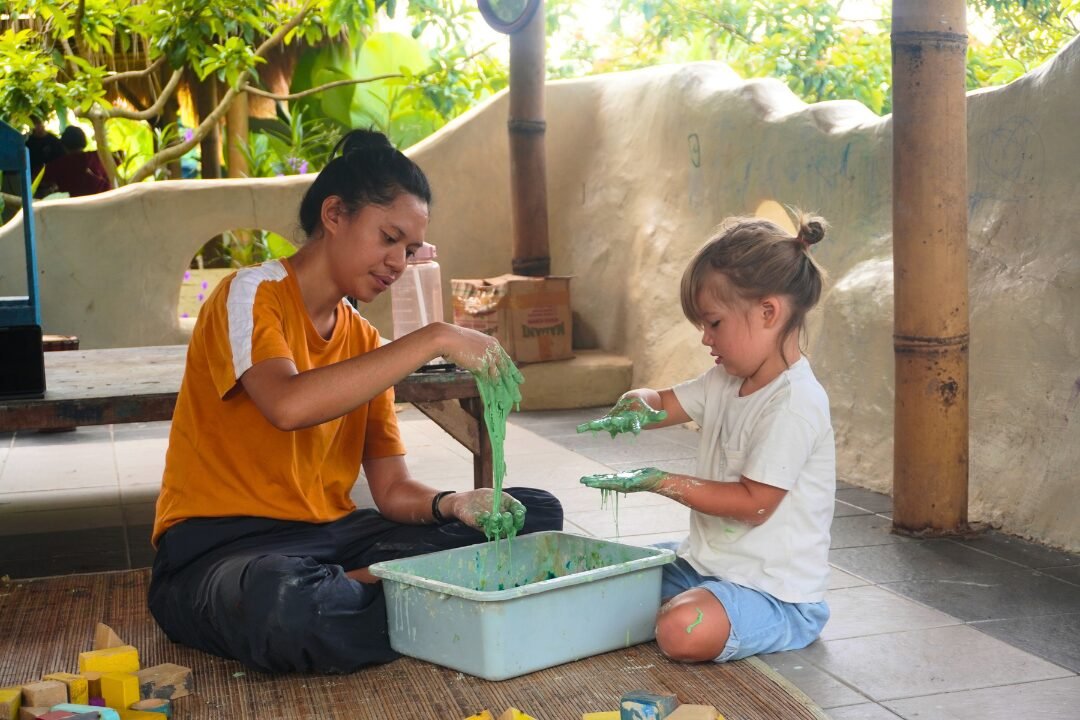
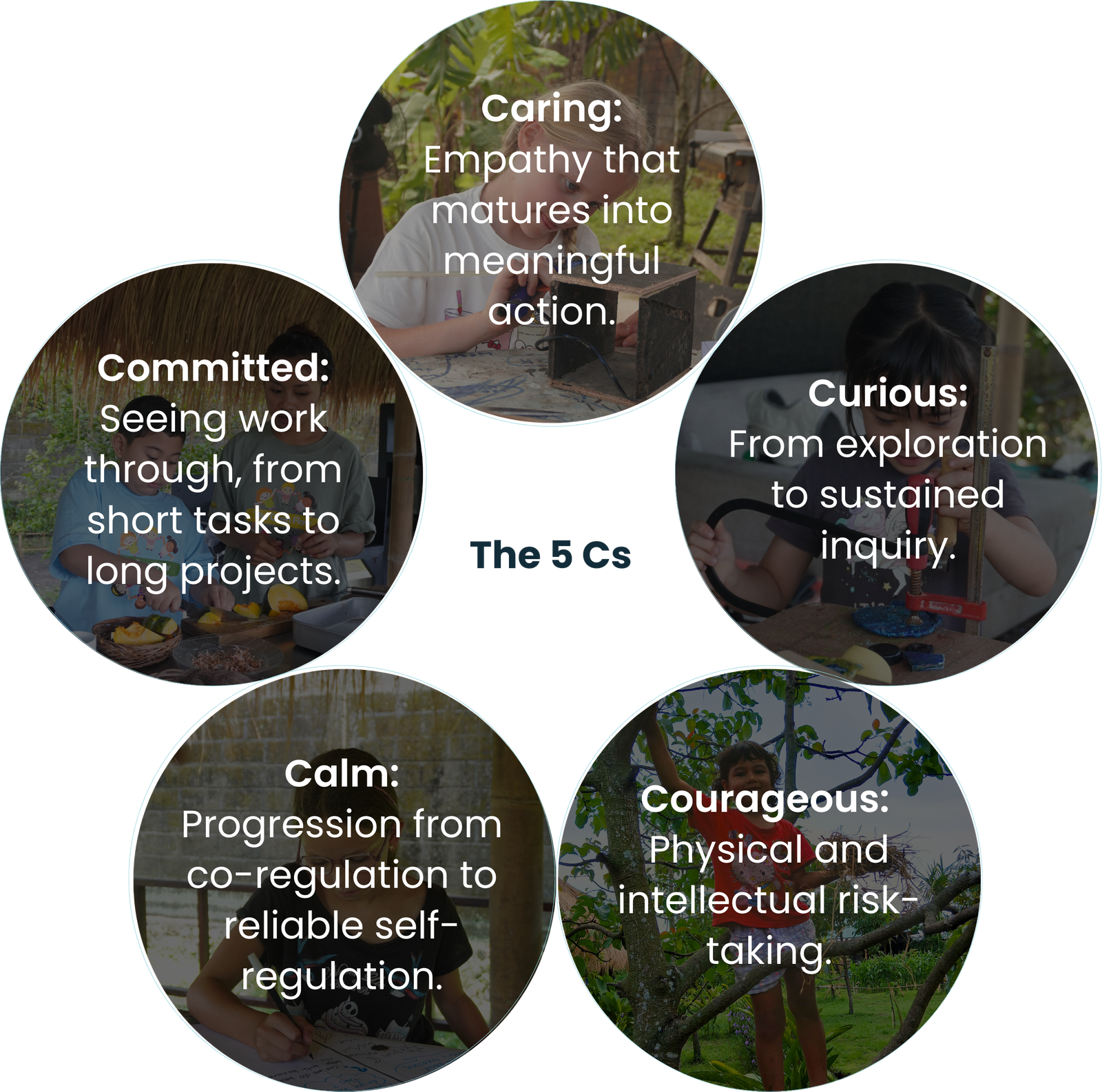
Behavioral Capacities
AI-Powered Development Tracking
We use AI to help educators spot patterns and build a rich picture of each child’s learning journey.
The moments that matter get documented: a child spending days perfecting a design, working through a friendship conflict, discovering they love insects, facing something difficult and pushing through.
Over time, these observations reveal how each child learns best—what sparks their curiosity, what support helps them thrive, how they’ve grown in resilience and creativity.
The advantage: When your child transitions, receiving schools get real insight into who this child is and how they think—stories and patterns that grades can’t capture.
Portfolios
Each child builds a living portfolio documenting growth across all domains. Families receive weekly highlights, monthly updates, and quarterly reviews.
When transitioning, receiving schools see how the child learns—not just what they know.
Family Stories
“She Went From Anxious to Confident”
Maya, 5 → 8
She was labelled ‘behind’ in reading at her old school. Here, she played first and learned when she was ready. Now she reads above grade level—but what matters most is she trusts herself again.”
“Work and Family, Integrated”
Zara & Luca, 6 and 9
“I can work deeply in the co-working space while my children learn close by. We’re all thriving in the same place for the first time.”
“He Wasn’t Broken—School Was”
Kai, 7 → 10
“His previous school saw his high energy as a disorder. Here, they saw it as intelligence. He’s thriving now—finally understood.”
“He Didn't Want to go to School"
Oscar, 8 → 11
“He used to fight going to school every morning. Now he runs ahead of me. He’s engaged, grounded, and actually loves learning again.”
Discover Open Flow
Open Flow, Bali reimagines education from the ground up—honouring how children naturally learn, protecting their innate curiosity, and nurturing whole human beings. Explore what makes us different.
Home
Flow
Wonder Arc
Emotions
feel everything,
balance everything,
and thrive